Showing posts with label Weight Loss. Show all posts

Thursday, May 7, 2015

7 Wacky Celebrity Diets and Weight-Loss Tricks

Hollywood stars make a habit of turning to drastic, and often unhealthy, weight-loss plans and tactics.

Fish is an important part of Mariah Carey's "Bleak" diet
When it's your job to look good, there's no telling what you'll do to get there. U.S. News, which publishes annual Best Diets rankings, has rounded up some of the wackiest celebrity diets and weight-loss tricks of recent years. Warning: Most of these don't reflect widely accepted guidelines for weight loss or a healthy lifestyle, and some are downright dangerous, even if they do provide fast results. Here are seven:
Watercress Soup Diet. Elizabeth Hurley's secret to dropping 10 pounds in seven days: a diet of watercress soup. "I drink at least six cups a day when I am eager to lose a few pounds," she told London's Daily Mail in 2007. "It's fat-less, low-calorie, full of vitamins and iron, and delicious enough to serve at a dinner party." Watercress soup typically consists of onions, light chicken stock, three large bunches of watercress, and salt and pepper. Such a restrictive diet, however, could open the door to nutrient deficiencies, a weakened immune system, and rebound weight gain.
The Facial Analysis Diet. Kate Winslet shed pregnancy weight with the Facial Analysis Diet, created by celebrity nutritionist Elizabeth Gibaud. The premise is that differently shaped faces need different diets, and that facial imperfections, such as forehead wrinkles or large pores, can signal dietary needs. Red or puffy cheeks, for example, are considered signs of dairy intolerance. And people with shiny noses are advised to avoid mangoes, chocolate, yeast-related products, red wine, and white flour, while sticking to apples, cucumbers, potatoes, and oats. A facial analyst will first examine skin for markings, color, and texture, and then create a customized plan that begins with a two-day detox. Most versions of the diet are low in calories, but claims in the book aren't backed by scientific research.
The "Bleak Diet." In 2007, Mariah Carey told reporters that she'd dropped two dress sizes by following a "bleak diet" built around fish and soup prepared very blandly—no oil or butter, for example. On the plus side, the diet emphasizes lean protein, which is a healthy choice. But neglecting flavor makes for a monotonous diet that will likely prove difficult to stick to over the long term.
Vinegar shots. Megan Fox and Fergie have admitted to taking shots of vinegar—typically three times a day, before each meal—in the name of weight loss. Advocates claim that vinegar flushes out fats in the colon, helping the body digest food while curbing cravings. But vinegar isn't a weight-loss panacea, experts say: There's no evidence it does anything but leave behind an unpleasant taste.
Grapefruit oil. Carmen Electra reportedly carries a vial of grapefruit oil around with her, sniffing it whenever hunger strikes. However, no research suggests that grapefruit oil has appetite-suppressing properties.
The "Air Diet." Madonna has been linked to the "air diet"—dubbed by the French magazine Grazia as the "it" way to lose weight in 2010. The idea is to go through the motions of eating without ever taking a bite. Followers put food on their plates, cut it, dig their fork into it, and hold it up to their mouths to savor the scent—never tasting it. What can they consume? Soup made from water and salt. Madonna helped popularize the plan in a 2010 Dolce and Gabbana ad campaign in which she and other stars were pictured holding food to their mouths but not eating it. (It's unclear whether she has actually tried the diet.) Medical experts don't condone such a restrictive, low-calorie diet.
Master Cleanse. Beyonce famously used Master Cleanse to drop about 20 pounds for her role in the 2006 film Dreamgirls. For at least 10 days, those on the plan give up solid foods in favor of fluids. On the menu: not-quite lemonade, water, and laxatives. That means four cups of salt water each morning, a cup of herbal laxative tea at night, and six to 12 glasses throughout the day of a "lemonade" made from fresh lemon or lime juice, maple syrup, cayenne pepper, and water. Continuously cycling on and off the diet could lead to nutrient deficiencies, long-term weight gain, a weakened immune system, and heart and kidney problems.

Continue to Read more ...

Thursday, July 4, 2013

Women Lose Weight With Help From Avatar

Could an avatar modeling weight-loss behavior help you fight the flab? Perhaps, according to US researchers whose pilot study suggests a virtual world "alter ego" may help some women lose weight in the real world. If confirmed with further research, the approach may also offer a cost-effective alternative to "live" group or personal weight-loss training.

Estimates indicate some two-thirds of Americans are overweight or obese and many are struggling to get their weight down and keep it down, despite trying a multitude of pills, fads, diets and exercise plans.

Now a new pilot study published online in the July issue of the Journal of Diabetes Science and Technology, finds there is a high level of interest in using a virtual reality "alter ego" or avatar as an aid to weight loss, with initial results showing promise.

First author Melissa Napolitano, associate professor of prevention and community health at The George Washington University (GWU) School of Public Health and Health Services (SPHHS), says in a statement that virtual reality could be a promising new tool for people who want to lose weight and adopt healthier lifestyles:

"This pilot study showed that you don't have to be a gamer to use virtual reality to learn some important skills for weight loss," she explains.

Using virtual reality to model skills or provide reinforcement can be effective.

For example, research published in 2012 suggests that when individuals strongly identify with a cyber representation of themselves, known as an "avatar", it can influence their health and appearance.

And researchers at Stanford University found that people who watched avatars resembling themselves running on treadmills were more likely to exercise the next day than if they had watched unfamiliar avatars.

For their study, Napolitano and colleagues wanted to find out if avatars could help overweight women acquire weight-loss behaviors.

Their study was in two phases. The first phase was an online survey of 128 overweight women to get their reactions to the idea of observing an avatar modeling healthy weight-loss habits as a way to help them lose weight.

Although the women who completed the survey had been trying to lose weight in the previous 12 months and most had never used a virtual reality game or program, 88% said they would be willing to try it if it might help them lose weight.

Many of the respondents agreed that an avatar could help them visualize and then practise weight-loss behaviors, such as taking a walk every day or choosing healthy options when shopping for food.

Napolitano says there is evidence that seeing or copying the steps that lead to a desired goal can make it easier for people to change their habits.

The second phase involved developing and testing avatar-based technology modeling weight-loss behaviors such as taking exercise and practising portion control.

The technology was developed at Temple University in Philadelphia, where Napolitano conducted the study before transferring to GWU.

For the second phase, the team recruited eight women to take part in a four-week usability test. The women were asked to set weight-loss goals and keep a food and exercise diary.

For each of the four weeks, the women attended a clinic where they watched a 15-minute video of an avatar demonstrating healthy weight-loss behavior.

For instance, one demonstration showed the avatar taking her place at the dinner table, looking at various dishes, considering portion sizes, rejecting ones that were too large and choosing the right portion size.

Another demonstration shows the avatar walking on a treadmill, and learning the correct, moderate intensity pace to help with her weight-loss goals.

At the end of the four weeks, the women on average lost 3.5 pounds (1.6 kilos).

Most of the women said the avatars were helpful, and they all said they would recommend the program and that it influenced their diet and exercise behavior.

Napolitano says the average weight loss was fairly typical for a four-week program, but they hope that watching the avatars model the healthy weight-loss behaviors will be more likely to help the women maintain their new healthy habits in the longer term and keep the weight off.

The team believes that the more the avatar resembles the user, the more likely they are able to identify with it and model what it demonstrates.

Although the women could not interact with their avatar, they could pick out some basic variables like skin color and shape. Napolitano says this helps the user visualize and learn the new behavior.

Co-author Giuseppe Russo, one of the experts on the technical programming team at Temple's Sbarro Institute for Cancer Research and Molecular Medicine, who helped develop the avatar virtual reality simulation, says:

"This study is a perfect example of how virtual reality can be used in promoting human health."

Napolitano says their study is just a "first step", and more studies are now needed to confirm and consolidate these findings, and also show that men and women would both find avatars a useful aid to losing weight and maintaining weight-loss.

"We are excited by the potential of this technology as a scalable tool to help people learn the skills to be successful at weight loss over the long run," she adds.
Continue to Read more ...

Wednesday, August 29, 2012

Want To Lose Weight? Keep A Food Diary

US researchers working on a study comparing approaches to weight loss, found that keeping a food diary can double weight loss as part of a managed programme; they said that the more food records they kept, the more weight the participants lost.

The study was carried out by investigators from Kaiser Permanente's Center for Health Research, and is to be published in the August issue of the American Journal of Preventive Medicine.

The study is one of the largest and longest running weight loss maintenance trials ever conducted, wrote the researchers in a press statement, and is also unique in that a large number of participants (44 per cent) were African Americans who are known to have higher risks for diseases that are made worse by being overweight, such as heart disease and diabetes.

Those who kept regular and frequent food records tended to lose more weight, said lead author Dr Jack Hollis, a researcher at Kaiser Permanente's Center for Health Research in Portland, Oregon, adding that:

"Those who kept daily food records lost twice as much weight as those who kept no records. It seems that the simple act of writing down what you eat encourages people to consume fewer calories."

The trial, known as the Weight Loss Maintenance (WLM) trial, was a a randomized trial conducted at four centers to compare different approaches to maintaining weight loss over a period of 30 months. The August paper describes the results from Phase I, the first 6 months of the trial.

1,685 overweight or obese (Body Mass Index or BMI in range 25 to 45 kg/m2) participants aged 25 and over and who were taking blood pressure and/or antidyslipidemia medication (eg cholesterol busters) took part in 20 weekly group sessions to encourage them to restrict their calorie intake, take part in daily moderate to intense physical exercise for half an hour a day, and modify their diet according to the DASH (dietary approaches to stop hypertension) guidelines. The participants were also encouraged to keep daily records of their calorie intake.

After six months, the results showed that:
  • 44 per cent of the participants were African American, 67 per cent were women, and 79 per cent were obese (BMI of 30 or more).

  • 87 per cent were taking blood pressure medication and 38 per cent antidyslipidemia medication (eg cholesterol busters).

  • An average of 72 per cent of the participants attended 20 group sessions.

  • The average reported amount of time spent in moderate to intense physical exercise was 117 minutes a week (nearly 2 hours).

  • On average the participants kept 3.7 daily food records a week, and consumed 2.9 servings of fruit and vegetables a day.

  • The average weight loss among all the participants was about 13 pounds (5.9 kilos).

  • More than two-thirds (69 per cent) of them lost at least 9 pounds (4.1 kilos).

  • This was enough to reduce health risks and qualify them for Phase II, which lasted 30 months and tested different approaches to maintaining the weight loss.

  • All race and gender subgroups lost significant amounts of weight.

  • Among African Americans, the average weight loss among men was 11.9 pounds (5.4 kilos) and among women it was 9 pounds (4.1 kilos).

  • Among non-African Americans, the average weight loss among men was 18.7 pounds (8.5 kilos) and among women it was 12.8 pounds (5.8 kilos).

  • Behaviour such as diet records and physical activity accounted for most of the variation in weight loss, although these links differed by race and gender.
The authors concluded that the weight loss programme:

"Successfully achieved clinically significant short-term weight loss in a diverse population of high-risk patients."

More than two thirds of Americans are overweight or obese, said co-author and Kaiser Permanente researcher, Dr Victor Stevens.

"If we all lost just nine pounds, like the majority of people in this study did, our nation would see vast decreases in hypertension, high cholesterol, diabetes, heart disease and stroke," he added.

In an earlier study, Stevens found that even a 5 pound (2.3 kilos) loss of weight was enough to reduce the risk of developing high blood pressure by 20 per cent.

The Weight Management Initiative from Kaiser Permanente's Care Management Institute has been recommending food journals as part of weight loss maintenance since 2002. The Initiative brings together clinicians, researchers, insurers, and policymakers to work out effective and practical, non-surgical ways to prevent and treat overweight and obesity.

Dr Keith Bachman, a member of the Weight Management Initiative, said that the food diary doesn't have to be a formal thing:

"Just the act of scribbling down what you eat on a Post-It note, sending yourself e-mails tallying each meal, or sending yourself a text message will suffice."

He said the value was the fact that writing it down makes you reflect on what you are eating, which makes us more aware of our habits and gives us a better chance that we will change our behaviour.

"Every day I hear patients say they can't lose weight," said Bachman, but "this study shows that most people can lose weight if they have the right tools and support".

"And food journaling in conjunction with a weight management program or class is the ideal combination of tools and support," he added.

"Weight Loss During the Intensive Intervention Phase of the Weight-Loss Maintenance Trial."


Click here for American Journal of Preventive Medicine
Continue to Read more ...

Thursday, August 23, 2012

Most Effective Weight Loss Diet Revealed

Scientists at Aberdeen's Rowett Research Institute have shown that a high protein, low carbohydrate diet is most effective at reducing hunger and promoting weight loss, at least in the short term.

Healthy, obese men were given two different diets during their stay in the Rowett's specialised Human Nutrition Unit. Both diets had a high protein content (30% of total energy value of the diet) but they differed in the amount of carbohydrate: One diet was low in carbohydrate (4%) and the other contained a moderate amount of carbohydrate (35% total energy value).

"Our volunteers found both diets to be equally palatable, but they felt less hungry on the high-protein low-carbohydrate diet compared with the diet which contained high-protein but moderate amounts of carbohydrate," said Dr Alex Johnstone, the Rowett's weight-loss expert who led the study.

"Weight loss during the two four week study periods was greater on the high-protein low-carbohydrate diet, averaging 6.3 kg per person, compared with 4.3 kg on the moderate carbohydrate diet," said Dr Johnstone.

Continue to Read more ...

Tuesday, August 21, 2012

The Importance Of Exercise

It is common knowledge that regular exercise supports physical and mental well-being. Despite this and recommendations from health care providers, the majority of patients with chronic illnesses remain inactive.

In a new study, University of Missouri researchers found that adults with chronic illness who received interventions focused on behavior-changing strategies significantly increased their physical activity levels. In contrast, interventions based on cognitive approaches, which attempt to change knowledge, beliefs and attitudes, and are most commonly used by health care providers, did not improve physical activity.

"The information that physicians are giving patients isn't working. Patients are not motivated when they hear 'exercise is good; it will improve your health.' What works is providing patients with simple, action-orientated strategies to increase their activity levels," said Vicki Conn, professor and associate dean of research in the MU Sinclair School of Nursing.

Behavior strategies include feedback, goal setting, self-monitoring, and stimulus or cues. Self-monitoring, any method where participants record and track their activity over time, significantly increased awareness and provided motivation for improvement, Conn said.

"It is important for care providers to set very specific, manageable goals with patients," Conn said. "For example, ask them to exercise for 20 minutes, three times a week and track their progress by writing it down. Have them schedule exercise on their calendars, or prompt them by setting their walking shoes by their doors. Ask how they can reward themselves if they accomplish the goal. This will help incorporate activity into their daily routines and provide them with a sense of accomplishment."

Conn completed a meta-analysis incorporating data from 22,527 participants in 163 research reports. No previous analysis has examined physical activity levels following interventions among adults with diverse chronic illnesses. Conn found that interventions were similarly effective regardless of gender, age, ethnicity and socioeconomic status.

"Behavior interventions increased participants' activity by an average of 48 minutes per week, which is enough to provide them with health benefits," Conn said. "People may feel overwhelmed by the thought of exercise, or think they have to work out 60 minutes, five days a week, but doing just 12 minutes per day may get them started toward better health."
Continue to Read more ...

Friday, August 17, 2012

Body Mass Index Misleading Indicator Of Health

Measuring somebody's Body Mass Index (BMI) is commonly used to decide whether that person is overweight. It is often used as an indicator of cardiovascular disease risk. However, BMI may not be such an accurate indicator as it lumps muscle and fat into one category, say researchers from the Mayo Clinic.

There are two ways you can calculate your BMI:

1. Metric system - Kilograms and Metres
[Your weight] divided by [Your height squared]

2. Imperial System - Pounds and Inches
[You weight] divided by [Your height squared] times 703

A person is healthy if his/her BMI is between 18.5 and 24.9.

The researchers looked at 40 studies involving 250,000 patients. Their analysis revealed that people with a BMI of 30-35 were at lower risk of cardiovascular disease than those whose BMI was below 20.

You can read about this study in the journal The Lancet, August 19 issue.

The team concluded "An explanation for the lack of a positive association with BMI and mortality in older ages is that, in older persons, BMI is a poor measure of body fat. The measurement of weight does not differentiate between fat and fat-free mass, and fat-free mass is progressively lost with increasing age." Most of fat-free mass consists of muscle.

Dr. Francisco Lopez-Jimenez, lead researcher, said he and his team had suspected BMI was not a good indicator for quite some time. Dr. Lopez-Jimenez added "We presented a report at an American Heart Association meeting a few months ago showing that BMI did not correlate with fat. A better way to distinguish between fat and muscle is to take a cross-sectional view of the abdomen, to focus on the waist-hip ratio."

A study carried out by researchers at the London School of Hygiene and Tropical Medicine concluded, after analyzing data on 15,000 patients, that BMI was not a good indicator of health risks for elderly people. They also favoured a calculation which looked at hip-waist ratio.

Hip-waist ratio gives a much better idea about how much fat a person has in the abdomen area (abdominal adiposity). If you have a 'beer-gut' the hip-waist ratio calculation will spot it more accurately than using BMI.

The Mayo Clinic team did find that BMI is a good calculator of risk for people with a BMI over 35. Dr. Lopez-Jimenez said "The group of people with BMI of 35 or higher had a bad outcome. Patients with BMIs of 35 to 40 naively believe that they have a lot of muscle. In extreme cases, fat determines the measurement."

If BMI were the only calculation ever made, the whole of the English national rugby team would be classed as very-overweight to obese and at high risk of cardiovascular disease. The conclusion would have been similar for a fit, heavyweight boxer when he was at his peak. There is no way a professional boxer who is 1.88 metres tall (6ft 2 ins), weighing in at 104 kilograms (228 pounds) has the same cardiovascular disease risk as a sedentary man of same height and weight - they would both have a BMI of 29.42. However, their hip-waist ratio would be completely different.

Calculate your Hip-to-Waist Ratio

Association of bodyweight with total mortality and with cardiovascular events in coronary artery disease
Continue to Read more ...

Small Weight Gain Linked To Acid Reflux (GERD)

GERD (gastroesophageal reflux disease) has been directly linked to even small gains in body weight, without the person having to be overweight, say researchers in a report published in the New England Journal of Medicine, June 1 issue.

One of the symptoms of GERD is heartburn.

Dr. B Jacobson, study author, from Boston University School of Medicine, USA, said that his study shows that any excess weight may have a negative effect on health, even small amounts which would not class the person as overweight. In other words, a person of normal weight who gains a bit of weight - and is still considered to be of normal weight - can become more prone to GERD.

GERD is the failure of the valve between the stomach and the esophagus to close properly. Stomach acids work their way up into the esophagus, which erodes. GERD can lead to cancer of the esophagus.

We have known for a while that obese/overweight people are prone to GERD. The association between GERD and BMI (body-mass index) was unclear. This study clearly showed a link.

10,545 women completed a questionnaire which asked them how often, how severely, and how long they suffered from GERD symptoms. They were categorized according to BMI, which was then referenced over to GERD data.

22% had GERD symptoms once a week or more. Of the women who had had GERD symptoms at some time, 55% described them as moderate.

Those with a BMI under 20 were 33% less likely to suffer from GERD than those with a BMI between 20-22.4.

Women with a BMI of 22.5-24.9 had a 38% higher chance of having GERD symptoms in comparison with the 20-22.4 BMI group.

Women with a BMI higher than 25 are classed as overweight.

The researchers found the increase in GERD risk correlated pretty much in parallel to the increase in the womens' BMI - the trend was linear.

The scientists stressed that they would not advise a person whose weight is ideal to lose weight if he/she is suffering from GERD symptoms.

However, if a person of ideal weight puts on a few pounds and notices his/her GERD symptoms become more severe, losing a few pounds may help alleviate the symptoms. They added that aiming for your ideal weight brings with it a host of other health benefits, including a lower risk of heart disease, cancer and diabetes, as well as reducing GERD symptoms.

GERD is more likely to get people to do something about it than worrying about the risk of diabetes or cancer is. This is because heartburn is an annoying problem that will make you think carefully about your weight. It hits you there and then - put an a few pounds and the annoyance immediately grows, lose a few and the bother immediately goes away.
Continue to Read more ...

Thursday, August 16, 2012

The British Are Much Healthier Than The Americans

A large study, which looked at the health of middle class, middle-aged, white residents in both the USA and Britain found that the British enjoy much better health than their American counterparts. Even though the USA has a much higher income per capita than the UK, about 25% higher, the British are far ahead when it comes to the health of its residents.

Americans also spend a great deal more on health care than the British do. The average expenditure per head per year on health in the UK is $2,164, while in the USA it stands at $5,274.

You can read about this study in the Journal of the American Medical Association (JAMA), May 3 Issue.

Even when obesity, drinking, smoking and social levels are taken into account, the difference between the two nations is significant.

Here are some figures showing the incidence of some diseases:

Diabetes
USA - 12.5%
UK - 6.1%

High Blood Pressure
USA - 42.4%
UK - 33.8%

Heart Disease
USA - 15.1%
UK - 9.6%

Cancer
USA - 9.5%
UK - 5.5%

Lung Disease
USA - 8.1%
UK - 6.3%

Stroke
USA - 3.8%
UK - 2.3%

Heart Attack
USA - 5.5%
UK - 4%

The study looked at the health of 6,400 Americans and 9,300 British people aged 40-70.

The researchers also found that in many aspects of health the UK people at the lower end of the social scale enjoyed better health than the Americans at the top end. Heart disease in Britain's lowest group stood at 11.6%, while for the highest American group it was 12%.

The researchers are not sure what the reason(s) for this disparity may be. There are many factors which could be responsible. Here is a list:

-- Britain has a universal health care system which is free for everyone. The USA has a patchwork of public and private healthcare. However, this study looked at well-off white residents - in both countries, all the people studied had good access to health care.

-- The USA has a bigger obesity/overweight problem than the UK does. The obesity/overweight problem has been present in the USA for longer than in the UK.

-- The British are more physically active than the Americans. People walk and cycle more in Britain than in America. The British also use public transport more.

-- Americans eat more junk food than the British do.

-- American food portions are much bigger than British ones. American portions are three times the size of a portion in the 1970s.

-- Americans are not addressing the underlying problems of obesity as much as the British are. Americans are treating the symptoms of obesity, rather than the reasons for it. However, it must be pointed out that the British are getting fatter and people complain not enough is being done to address the reasons for rising obesity levels in Britain.

-- Americans suffer from higher levels of stress than the British do.

If all the British have access to free health care, which is not the case in America, one wonders what the health disparities would be if all sectors of society in both countries were studied and compared.

Britain does not enjoy better levels of health when compared to many of its European neighbours.
Continue to Read more ...

Wednesday, August 15, 2012

More Successful Weight Loss With Online Obesity Programs

Computer and web-based weight management programmes may provide a cost effective way of addressing the growing problem of obesity, according to a team of seven researchers who undertook a Cochrane systematic review. The researchers, from Maryland, Massachusetts, New York, Pennsylvania and Rhode Island, USA, found that delivering weight loss or weight maintenance programmes online or by computer helped overweight and obese patients lose and/or maintain weight.

Being overweight or obese can increase a person's risk of diabetes, heart disease, high blood pressure, stroke and other chronic medical conditions. The World Health Organization predicts that the number of obese and overweight people in the world will reach 1.5 billion by 2015. Computer or internet-based weight management programmes may be a cost-effective approach to treating overweight or obese people, with the potential to have a major impact on public health.

The review focuses on 14 studies of weight loss involving a total of 2,537 people and four weight maintenance studies involving a further 1,603 people. Those who took part were selected based on having a body mass index (BMI) over a certain limit. In weight loss studies, participants lost more weight after six months than those receiving no intervention or minimal interventions, but less than those who received treatment face-to-face. Similarly, participants who took part in weight maintenance studies were more successful at keeping off weight than those receiving no or minimal interventions, but less so than those receiving face-to-face treatment. Minimal interventions included handing out pamphlets or providing usual care.

L. Susan Wieland, PhD, based at the University of Maryland School of Medicine in Baltimore, US, was the lead author of the study. "Computer or web-based weight management programmes may be less beneficial than face-to-face interventions, but health care providers have limited opportunities to provide this care, so lower impact treatment approaches need to be considered," said Wieland.

"These large-scale systematic reviews are helpful to determine - using available peer-reviewed studies - what works and what doesn't work, so health care providers can make evidence-based recommendations," said Karina W. Davidson, PhD, director, Center for Behavioral Cardiovascular Health, Columbia University Medical Center, and an author of the study. "Since more patients are participating in online weight loss or management programs, these results reveal that computer-based delivery can be effective."

According to the researchers, although their review did not cover smartphones, these could now take the place of desktop computers or laptops in delivering online weight management programmes. "Since we started the review, smartphones have become capable of functioning like fully mobile computers with interactive potential similar to that of laptops and desktops," said Wieland. "We hope to include trials of smartphones when we update this review."
Continue to Read more ...

Thursday, August 9, 2012

FDA Approves Over The Counter Weight Loss Pills

The American Food and Drug Administration (FDA) has approved Orlistat for use as an over-the-counter weight loss drug for adults who are overweight. The drug, which was originally approved for prescription in 1999, will retain prescription status at higher doses for the medical treatment of obesity.

The FDA said that the drug on its own will not work. If you are overweight and use the drug to lose weight you need to be on a "reduced-calorie, low-fat diet, and exercise program," they said.

Dr. Douglas Throckmorton, Deputy Director at the FDA's Center for Drug Evaluation and Research said yesterday, "We know that being overweight has many adverse consequences, including an increase in the risk of heart disease and type 2 diabetes." He said that this over the counter drug, along with "diet and exercise, may aid overweight adults who seek to lose excess weight to improve their health."

Orlistat will be manufactured by GlaxoSmithKline as the brand Alli and will be available for adults over 18 years of age in 60 mg capsule form to be taken up to 3 times a day with meals that contain fat.

The drug works by reducing your gut's ability to absorb fat. Since this could also reduce the absorption of essential nutrients, if you take the drug you should also take a multivitamin supplement before going to bed, the FDA said.

There are contra-indications. You should not take Orlistat if you are not overweight or if you cannot absorb food properly, according to the FDA.

The National Institutes of Health define overweight as having a Body Mass Index (BMI) of 27 kg per metre squared. This is a figure where you divide your weight in kilogrammes by the square of your height in metres.

The FDA warn that if you have had an organ transplant you should not take the over the counter Orlistat because it could interfere with your other drugs. Also, if you are on blood thinners, or are receiving treatment for diabetes or thyroid disease you should talk with your doctor about whether this drug is right for you.

The side effects of over the counter Orlistat include disruption to bowel habits, such as looser stools. This effect can be reduced if you are on a low fat diet.

Orlistat is a reduced strength version of Xenical (manufactured by Roche) which is available under prescription for the treatment of obesity. It is normally prescribed by doctors in conjunction with a calorie controlled diet.

Orlistat is also known as tetrahydrolipstatin, and works by slowing down the release of lipase, a pancreatic enzyme that breaks down fatty triglycerides in the gut. Inhibition of lipase release means that a proportion of triglycerides do not get converted into fatty acids that would normally be absorbed into the bloodstream. Instead they pass through the gut into the feces, which is why this can cause looser stools.

In the prescription dose of 120 mg three times a day the drug prevents about 30 per cent of fat in the food from being absorbed.

This is the first time the FDA has approved a weight loss drug for over the counter use.
Continue to Read more ...

Wednesday, August 1, 2012

Eggs can help you Lose Weight and Stabilize Glucose Levels

A scientific review article published in today's Journal of the American College of Nutrition supplement reports that leucine, an essential amino acid found in high quality protein like eggs, potentially provides a weight loss advantage during dieting by helping to reduce loss of lean tissue, promote loss of body fat, and stabilize blood glucose levels.

In another paper published in the JACN supplement, research shows that two antioxidants, lutein and zeaxanthin, may significantly reduce the risk of cataract and age-related macular degeneration (AMD).

In the research, eggs are cited as an important dietary source of leucine as well as lutein and zeaxanthin and, in the case of the latter two, research shows lutein and zeaxanthin in eggs to be more bioavailable than from other food sources.

High Quality Protein Promotes Weight Loss

"We found that increasing high-quality protein in the diet, like that found in eggs, dairy products and meats, provides a metabolic advantage due to a high content of the branched chain amino acid (BCAA) leucine," says article author Donald K. Layman, Ph.D., Professor of Nutrition, Department of Food Science and Human Nutrition and Department of Internal Medicine, College of Medicine, University of Illinois at Urbana-Champaign. According to Layman, both the amount of high quality protein consumed, as well as the time of day it is consumed, may play an important role in weight loss.

Layman found that unlike other essential amino acids, leucine plays several key roles in metabolism. "Leucine is key to the metabolic advantage of a higher protein diet because of its unique roles in regulation of muscle protein synthesis and insulin signaling," says Layman.

According to his research, eating more protein rich foods like eggs and limiting carbohydrates helps burn body fat and control hunger and cravings, leading to weight loss.

When limiting calories, Layman recommends daily intake of protein above 1.5 g/kg of body weight (or above 102 grams of protein daily for a 150-pound person); whereas the current Dietary Reference Intake (DRI) for protein is about half that, set at 0.8 g/kg of body weight (or 55 grams of protein daily for a 150-pound person).

Layman's research also suggests that increased use of high quality protein at breakfast, in particular, maybe important for the weight loss advantage of a higher protein diet. In a 10-week study, Layman showed that eating a high quality protein breakfast while losing weight helps maintain lean muscle mass, which is critical to long-term weight loss and maintenance.

The study, which investigated the efficacy of two 1,700-calorie weight loss diets among women aged 45 to 57 years, found that women who ate the higher protein breakfast foods including eggs, low fat dairy and lean meats (containing 10 grams leucine daily) lost slightly more weight, but of the weight lost, nearly twice as much was fat compared to those eating a carbohydrate rich breakfast (containing 5 grams leucine daily).

According to Layman, the findings may provide hope to those battling obesity, which has been linked to increased risk of diabetes, heart disease and other chronic diseases.

Eggs Promote Eye Health

Also published in today's JACN supplement is a review paper discussing two antioxidants, lutein and zeaxanthin, and the protective role they play in reducing the risk of cataract and age-related macular degeneration (AMD).

"Lutein and zeaxanthin, are concentrated in the macular region of the retina and the eye lens, where they protect the eye from harmful ultraviolet light," says article author Jeffrey Blumberg, Ph.D., Professor of Nutrition and Senior Scientist at the USDA Human Nutrition Research Center on Aging at Tufts University.

Blumberg says studies have shown that diets rich in lutein may cut the risk of cataracts by up to 20 percent and age-related macular degeneration by up to 40 percent. Although broccoli, kale and other dark green leafy vegetables are good sources of lutein, one egg yolk provides approximately 200 micrograms of lutein, and studies have shown that lutein from eggs is 200 to 300 percent more bioavailable than lutein from vegetable sources.

Cataracts are the leading cause of blindness in the world and affect more than 20 million Americans age 65 and older. Age-related macular degeneration is the leading cause among seniors of irreversible blindness in the United States.

In addition, a number of preliminary studies have found that lutein is available in both breast milk and the umbilical cord plasma. This suggests that mothers transfer lutein to their fetuses and newborns, providing them with this beneficial antioxidant. Future studies should continue investigating the potential beneficial role of lutein and maternal nutrition.

The December 2004 JACN Supplement contains proceedings from the First International Scientific Symposium on Eggs and Human Health: Transition from Restrictions to Recommendations, sponsored by the Egg Nutrition Center.

SOURCE Egg Nutrition Center
Continue to Read more ...

Grapefruit and Weight Loss

The grapefruit diet is not a myth. That's what a new study by the Nutrition and Metabolic Research Center at Scripps Clinic confirmed. Researchers there found that the simple act of adding grapefruit and grapefruit juice to one's diet can result in weight loss.

The 12-week pilot study, led by Dr. Ken Fujioka, monitored weight and metabolic factors, such as insulin secretion, of the 100 men and women who participated in the Scripps Clinic 'Grapefruit Diet' study.

On average, participants who ate half a grapefruit with each meal lost 3.6 pounds, while those who drank a serving of grapefruit juice three times a day lost 3.3 pounds. However, many patients in the study lost more than 10 pounds.

'For years people have talked about the grapefruit diet, and some even swear by it, but now, we have data that grapefruit helps weight loss,' said Dr. Fujioka, principal researcher at the Nutrition and Metabolic Research Center at Scripps Clinic.

'Our study participants maintained their daily eating habits and slightly enhanced their exercise routine; the only dietary change was the intake of Florida grapefruit and grapefruit juice.'

Additionally, the research indicates a physiological link between grapefruit and insulin, as it relates to weight management. The researchers speculate that the chemical properties of grapefruit reduce insulin levels and encourage weight loss.

The importance of this link lies with the hormone's weight management function. While not its primary function, insulin assists with the regulation of fat metabolism.

Therefore, the smaller the insulin spike after a meal, the more efficiently the body processes food for use as energy and the less it's stored as fat in the body. Grapefruit may possess unique chemical properties that reduce insulin levels which promotes weight loss.

Obesity continues to plague the American public and the health system.

According to the National Center for Health Statistics, 64 percent of U.S. adults are considered overweight or obese. Overweight or obese people stand a greater likelihood of developing life-altering and/or life-threatening illnesses such as heart disease, cancer, diabetes, high blood pressure, high cholesterol, sleep apnea, arthritis, liver problems, and many others.

'Our study shows grapefruit can play a vital role in overall health and wellness, and in battling America's ever-growing obesity epidemic,' stated Dr. Fujioka.

'Whether it's the properties of grapefruit or its ability to satiate appetites, grapefruit appeared to help with weight loss and decreased insulin levels leading to better health. It's good the 'Grapefruit Diet' never lost its popularity among the public.'

The study linking grapefruit and grapefruit juice consumption to weight loss continues to broaden the health benefits associated with this citrus product.

Founded in 1924, Scripps Clinic is a multi-specialty, outpatient care facility caring for patients at multiple locations throughout San Diego County, California including Torrey Pines, Del Mar, Encinitas, La Jolla, Rancho Bernardo, Rancho San Diego, San Diego, and Santee.

Scripps Clinic and its physicians are world-renown for research-driven care and medical specialty expertise and is an operating unit of Scripps Health, a not-for-profit, community-based health care delivery network that includes more than 2,600 affiliated physicians, five acute-care hospitals, home health care and associated support services.

Scripps Health is one of the largest health care organizations in San Diego County, drawing from the expertise of more than 10,000 health care professionals.
Continue to Read more ...

Sunday, July 29, 2012

How To Get Rid of Back Fat

Getting rid of back fat can be very difficult. A healthy diet and specific exercises can help target the areas of the body that gather fat. Unsightly flabs of skin hanging over your bra strap can be removed!

back fat 2.thumbnail How To Get Rid of Back FatExcess pounds and unsightly bulges are usually a result of poor diet and lack of exercise and where nature decides to store this fat is highly dependent on gender. Males tend to store fat in their mid section where as females will usually notice fat goes straight to the butt and thighs. Getting rid of this excess fat is a problem for both genders but no part of the body seems more difficult to target than the back.

back fat 1.thumbnail How To Get Rid of Back FatMany of us have back fat; women may be more conscious about their back especially if wearing bra results in cleavage were its most un wanted. Getting rid of back fat and bra overhang is possible but requires more than just exercise to get good results. The American Council on Exercise tells us that simply working the muscles in the particular areas of the body that favor fat collection will not effectively solve the problem.
In fact the only way to lose weight in a particular area of the body is to start a diet targeting the entire body. A fat burning aerobic workout and a healthy diet can help burn up the fat that stores in our bodies. Specific weight-resistant exercises that focus on the muscles in these areas can help tone the body and improve physique.

Back Exercises

If you are interested in firming up your back, here are a few easy exercises that target the back muscles.

Opposite Extensions

Lie on your stomach with your arms and legs outstretched. Pull your abdominals in towards your spine, as if you are trying to create a space between your belly button and the floor. Rest your forehead on the floor to align your neck with the rest of your spine.
Lift your right arm and left leg a small way off the floor and stretch them to opposite ends of the room. Hold for five slow counts, then slowly lower. Do the next repetition with your left arm and right leg and alternate until you have completed all repetitions.

Dumbbell Rows

Stand next to a bench or sturdy chair. Place one hand on the bench or seat of the chair for support, and bend forward from your hips. Try to keep your belly button drawn toward your spine with your back and head almost parallel to the floor. Hold a moderately heavy dumbbell (you should start to fatigue around the eighth repetition) in your free hand, dangling it down so that it too is parallel to the floor. Retract your shoulder blade, bend your elbow and draw the weight up until your hand is touching your torso. Slowly lower the weight back down. Switch sides and hands.

Rear Delt Fly

Sit on the edge of a chair or bench, hold light weights in each hand behind each leg and lean forward from the hips with your back flat. Tuck your chin into your chest. Then begin to raise your arms to the sides, gradually bending your elbows as they come up. Squeeze your shoulder blades together. Pause at the top of the extension and then slowly lower your arms.
Continue to Read more ...

Tuesday, July 24, 2012

The Top Fat-Burning Foods

Boost your metabolism

It’s true: Certain foods have a very high thermogenic effect, so you literally scorch calories as you chew. Other eats contain nutrients and compounds that stoke your metabolic fire. Feed your metabolism with these.
red-pepper-fat-burner

Whole grains

Your body burns twice as many calories breaking down whole foods (especially those rich in fiber such as oatmeal and brown rice) than processed foods.

whole-grain-pile


Lean meats

Protein has a high thermogenic effect: You burn about 30% of the calories the food contains during digestion (so a 300-calorie chicken breast requires about 90 calories to break it down).

lean-red-meat

Low-fat dairy products

Rich in calcium and vitamin D, these help preserve and build muscle mass—essential for maintaining a robust metabolism.

block-cheese-holes

Green tea

Drinking four cups of green tea a day helped people shed more than six pounds in eight weeks, the American Journal of Clinical Nutrition reports. Credit EGCG, a compound in the brew that temporarily speeds metabolism after sipping it. To up your intake, keep a jug of iced tea in the fridge.

 green-tea-leaves

Lentils

One cup packs 35% of your daily iron needs—good news, since up to 20% of us are iron- deficient. When you lack a nutrient, your metab slows because the body’s not getting what it needs to work efficiently, says Tammy Lakatos Shames, RD, co-author of The Secret to Skinny.

pile-of-lentils


Hot peppers

Capsaicin, the compound that gives chili peppers their kick, heats up your body, which makes you melt additional calories. You can get it by eating raw, cooked, dried, or powdered peppers, says Lakatos Shames. “Add as much cayenne or hot sauce as possible to soups, eggs, and meats.”

red-pepper-hot


Continue to Read more ...

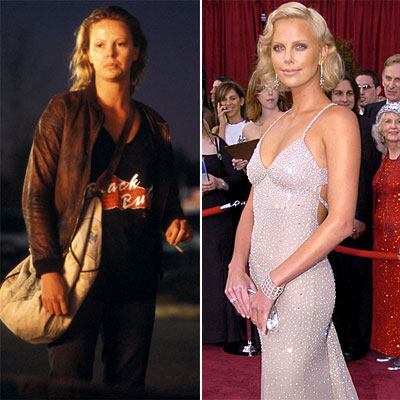
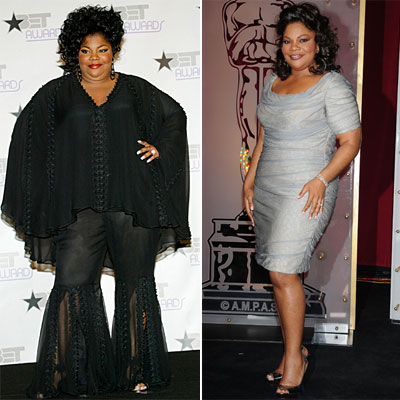
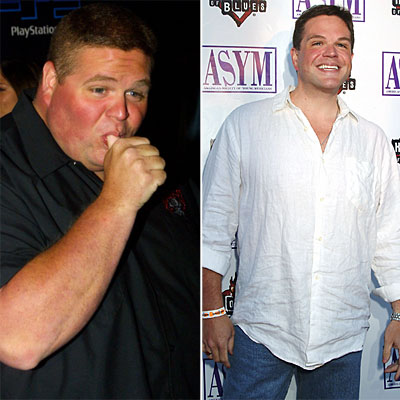
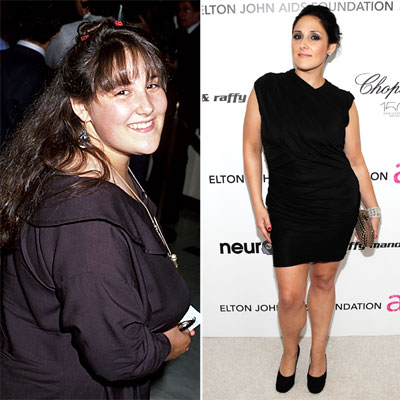
25 Shocking Celebrity Weight Changes

Stars lose weight, gain it

Whether they’re slimming down to play a perfectionist ballerina or bulking up to a gladiator-esque stature, celebrities often need to change their shape drastically—and on short notice—to ace roles (or meet the expectations of a critical public).

The problem? This type of dieting can be bad for your health.

Crash diets can weaken your immune system, leaving you more vulnerable to getting sick and may even hurt your heart.

Fast weight gain can be bad news too, particularly for the heart and joints.

Healthy or not, here’s a look at some of the most dramatic transformations.

Jennifer Hudson

jennifer-hudsonThe Grammy and Oscar winner’s dramatic weight loss was the makeover on everyone’s lips in 2010.

In August 2009, Hudson had to lose her baby weight before shooting her next movie, Winnie, in which she plays Nelson Mandela’s wife (due out this year). She worked out regularly with celeb trainer Harley Pasternak and cut back on calories with help from the Weight Watchers program.

Now the face of Weight Watchers, Hudson, 29, is a slender size 6, down from a 16.

Christian Bale

christian-bale
This Batman famously lost a startling 63 pounds to play a chronic insomniac in the film The Machinist.

Bale, now 37, reportedly took supplements to make sure he still got his vitamins but hardly ate and over exercised to trim himself to only 122 pounds (he’s 6 feet tall!).

He slimmed down again more recently from his normal 185 pounds to play a former professional boxer in The Fighter.


Oprah Winfrey

oprah-winfreyWhen it comes to weight-loss tabloid fodder, Oprah, 57, reigns supreme. Her weight has fluctuated often and drastically, and it’s always been "breaking news." The yo-yoing is partly due to a thyroid condition, which she said she had leaned on as an excuse to eat whatever she wanted in the past.

In the early 2000s, she trimmed down to a fit 160 and thought she had finally conquered her weight issues. But in 2008, she opened up that she had hit 200 pounds—again. In 2010, she announced on her show that she would never diet again.

Drew Carey

drew-carey
For funny guy Drew Carey, 52, the extra pounds were becoming a serious health issue.

After losing 80 since January 2010, Carey told People magazine he no longer needs medication for his type 2 diabetes.

To slim down, he stuck to a diet high in protein, fruits, and veggies, and a tough regimen of 45 minutes of cardio six times a week.


john-goodman

John Goodman

The actor, perhaps best known for his beefy Dan Conner on Roseanne, tipped the scales at 368 pounds in 2007.

Since then, Goodman, 58, has quit drinking, cut sugar out of his diet—and gotten off the couch. Now he works out six days a week and is down more than 100 pounds!


50 Cent

50-centThe rapper's shocking weight loss wasn’t because of any health concerns; it was because of his role as a cancer patient in the upcoming film Things Fall Apart.

In May 2010, 50 Cent, 35, revealed emaciated-looking photos of himself. He had dropped from 214 pounds to a slight 160 in just nine weeks.

With shooting wrapped, he was back to looking like himself by September 2010.

kevin-federline

Kevin Federline

Once a toned dancer, the former Mr. Britney Spears ballooned to 240 pounds around the time of his 30th birthday.

Never one to pass up a chance in the spotlight, K-Fed, 32, appeared on VH1’s reality show Celebrity Fit Club in 2010 to try to slim down, but he has continued to struggle with his weight.
kelly-osbourne

Kelly Osbourne

After a stint on Dancing with the Stars, Ozzy's daughter quit her emotional eating and dropped 50 pounds.

All the dance workouts and weight training paid off for the 26-year-old; she bared her new size 2 body on the December 2010 cover of Shape magazine.


jared-leto-beforeJared Leto

The actor gained 60 pounds to play the role of John Lennon’s killer in the film Chapter 27. The sudden and dramatic gain left him with severe gout-like foot pain.

Leto, 38, told the New York Daily News that he “gorged and force-fed” himself to put on the pounds. He said it took over a year to feel like he was back to normal and won’t be gaining weight for a role again.

charlize-theron

Charlize Theron

The actress gained 30 pounds eating doughnuts, and was almost unrecognizable as a prostitute and serial killer in 2003’s Monster.

She returned to her normal weight even before the film’s premiere. Theron, 35, who has said she is usually around a size 8 and likes her curves, went on to win the Golden Globe for Best Actress for the role.

star-jonesStar Jones Reynolds

michael-mooreThe former co-host of The View at first wouldn’t fess up to having gastric bypass surgery. But having dropped around 160 pounds in just three years, Reynolds, 48, came clean in 2007 that she had done something drastic to lose the weight.

Bariatric surgery isn’t a quick fix, though. Continuing to eat an unhealthy diet after the procedure can cause patients to gain weight right back. However, surgery can be a viable option for the extremely obese.

Michael Moore

The opinionated filmmaker dropped a dramatic 70 pounds by eliminating salt, sugar, and white flour from his diet, and upping his exercise regimen to walking 30 to 40 minutes every day.

Moore, 56, allegedly checked into a Florida weight-loss spa in 2007 and again in December 2010.


janet-jacksonJanet Jackson

A notorious yo-yo dieter, Janet Jackson and her weight have been a near constant topic in the media.

She showed off her incredible body and admitted eating only an apple and a small bag of tortilla chips a day while preparing for her Love Will Never Do music video shoot. Today, Jackson, 44, sticks to a much healthier pescatarian diet and works out regularly with a trainer.

Perez Hilton

perez-hiltonThe self-proclaimed "Queen of All Media" celebrity blogger slimmed down by eating healthier and gradually adding gym workouts, dropping over 60 pounds in three years.

What started as simple 30-minute daily walks became 7-days-a-week training sessions, and, eventually, Hilton, 32, whose real name is Mario Lavandeira Jr., opted for delivery meals. In October 2010, he even launched a new site, called FitPerez.com, focused on fitness and the healthy habits of his favorite A-listers.


nicole-richieNicole Richie

In 2006, the 5'2" socialite weighed only about 90 pounds—dangerously thin even by Hollywood standards—and sought treatment for her weight issues. Many speculated she was suffering from an eating disorder, although she never spoke openly about it.

Richie, 29, who has two children and was recently married, has remained slim, but appears to be at a healthier weight than at her thinnest.

seth-rogan

Seth Rogen

Since first gracing the silver screen, funny guy Seth Rogen has slimmed down significantly by working out with trainer to the stars Harley Pasternak.

The 28-year-old ditched around 30 pounds in nine months.


renee-zellwegerRenee Zellweger

To play the classic, awkward thirtysomething role of Bridget Jones, actress Renee Zellweger, now 41, gained 20 pounds and went from a size 4 to a size 14.

Perhaps more shocking was her post-Bridget Jones slim down. She dieted to lose the weight she had put on, and continued to lose even after returning to her healthy size 4. Constant weight fluctuations, like Zellweger's, can make it harder for dieters to lose pounds and keep them off in the long run.

valerie-bertinelliValerie Bertinelli

In 2007, after reaching 172 pounds, the actress became a spokeswoman for Jenny Craig and lost 50 pounds.

Our former cover girl, 50, now stays around 128 pounds by watching her portion sizes and getting active—she even ran the 2010 Boston Marathon!


monique

Mo’Nique

Although the comedian and actress was always vocal about loving her body the way it was, she made the decision to get healthy after being diagnosed with high blood pressure and topping out at 262 pounds.

Mo’Nique, 43, lost around 45 pounds in 2009 by eating healthier. She nixed junk food, red meat, and fried foods, and went from a size 20 to a 14.

ron-lesterRon Lester

Best known for playing Billy Bob in 1999’s Varsity Blues, Lester, now 40, was over 500 pounds at his heaviest. By December of 2000 he had had enough of playing obese characters and not being able to move comfortably on the set. He turned to gastric bypass surgery (which was still experimental at the time) and needed 17 follow-up procedures to remove excess skin. He slimmed down to a healthy 193 pounds.


Al Roker

al-rokerThe Today show’s weather anchor also turned to surgery to get trim. Roker, 56, weighed over 340 pounds in 2002 and was wearing a size 60 suit.

His weight had fluctuated throughout his life, but he had always gained the 30- or 40-pound losses back. In 2002, he underwent gastric bypass surgery at his wife's suggestion and dropped 140 pounds. He says that he has finally accepted that maintaining a healthy weight will be a lifelong battle even after surgery. Today, he watches his portion sizes and exercises regularly to stay around 200 pounds.

kristen-alleyKirstie Alley

One of the most notorious yo-yo dieters, actress Kirstie Alley, 60, was once the face of Jenny Craig. She lost 75 pounds with the diet plan’s help, but gained much of it back after her contract ended.

She starred in her own show about her struggle with her weight in the mid-2000s, when her weight had ballooned to over 200. In 2008, she pledged to lose 80 pounds, and tweeted in September 2010 that she had just 30 more to go.

ricki-lake

Ricki Lake

Weight played a key role in the actress’s big break in 1988’s Hairspray, where she portrayed chubby Tracy Turnblad.

But Lake, now 42, struggled throughout the next 20 years, losing an extreme 100 pounds in 1992 by "starving" herself, she said. However, after limiting calories more responsibly and joining a fresh-food delivery service, she shed 140 pounds and maintains a healthy size 6.

randy-jacksonRandy Jackson

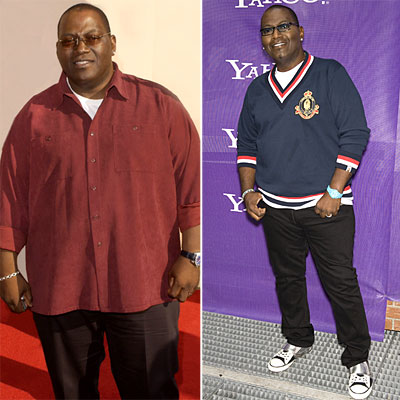
In 2002, the American Idol judge weighed over 300 pounds. The music legend, 54, struggled to keep his diabetes under control and opted for gastric bypass surgery in 2003.

He lost 100 pounds and has kept it off by eating fewer processed foods, cutting back on fat and sugar, and spending more time walking on his treadmill and playing tennis.
sara-rue


Sara Rue

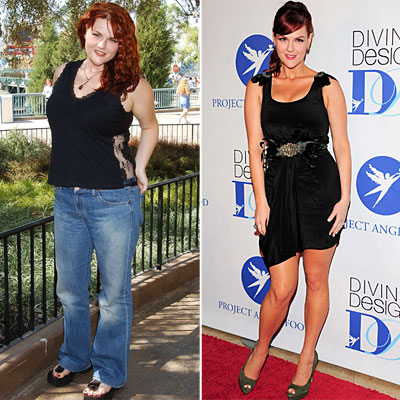
The 32-year-old actress dropped 50 pounds after joining Jenny Craig and taking up running.

Since becoming a Jenny Craig spokesperson, Rue has carefully maintained her size 6 frame. "I’m done losing weight," she told People magazine.


Continue to Read more ...

Surprising Celebrity BMIs


With plenty of cash to hire personal trainers and private chefs, Hollywood's hottest have all the tools in place for perfect health. But if you judge celebrities' fitness only by BMI, or body mass index, the numbers tell a different story.

BMI looks at height and weight to measure a person's body fatness, placing them in four broad categories: underweight (18.5 or lower), normal weight (18.5 to 24.9), overweight (25 to 29.9), and obese (30 and up). Some life insurance companies look at BMI measurements in considering the cost of coverage. But is this really an accurate measure of body composition?

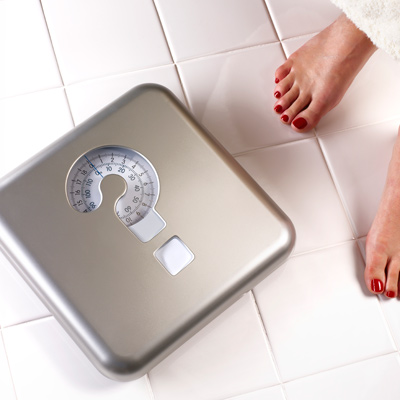
weight-scale-questionOften the numbers don't add up

For athletes with loads of lean muscle mass, BMI measurements can be misleading because the scale doesn't differentiate between muscle and fat. That means that the world's top sports stars are often classified as overweight. But even the trimmest actors—particularly the shorter ones—aren't immune to confusing BMI classifications.

We asked our top two nutrition experts to put BMI to the test with seven celebrities. Registered dietitians Frances Largeman-Roth and Julie Upton, both members of the American Dietetic Association, analyzed photos of these stars. Keeping heights in mind, they offered their best estimates of their weights, and we started crunching the numbers.

angelina-jolie Angelina Jolie

Estimated BMI: 17.9

The mother of six must stay lean chasing after her growing brood: At 5'8", our experts say she probably weighs about 118 lbs.

Though many people envy her beauty and accomplishments, her estimated BMI of 17.9 suggests she'd be an even better role model if she gained some weight.


Arnold Schwarzenegger

arnold-schwarzenegger
Estimated BMI: 30.8

This former bodybuilder and Terminator star is the poster child for physical fitness. But surprise! He's "obese"—at least according to his BMI. He stands tall at 6'2" and our experts say Schwarzenegger probably weighs in at about 240 lbs., which would give him a super-high BMI of 30.8.

Schwarzenegger shouldn't sign up for a weight-loss program just yet. All that muscle mass can yield a misleading BMI. "I'm hoping that we'll find another easy calculation to replace BMI soon," says Largeman-Roth. "After all, it was developed in the 1800s."


Beyonce

beyonce
tom-cruiseEstimated BMI: 21

This "Bootylicious" songstress gets called curvy by the tabloids, but by BMI standards, she's perfectly proportioned. Our experts estimate that Beyonce is a svelte 130 lbs. At 5'6", that gives her an estimated BMI of 21—well within the "normal" range.

So if Beyonce's BMI is right on target, what about all the super-skinny celebs that make her seem shapely?

Tom Cruise

Estimated BMI: 26

He may not be scaling mountains in his movies anymore, but there's nothing wrong with Cruise's current physique—or is there?

The 5'7" star clocks in at an estimated 166 lbs. With a corresponding BMI of 26, he'd be considered "overweight."

Tony Romo

tony-romo
Estimated BMI: 28.8

Whatever you think about his performance on the field, it's hard to deny that Romo's body is pretty perfect. But if you go by BMI standards, the Dallas Cowboys quarterback is "significantly overweight." He's listed at 6'2" and 224 lbs., giving him a BMI of 28.8.

"A better measurement of an athlete’s body composition includes a comparison of lean body mass to body fat," says Largeman-Roth.


serena-williamsSerena Williams

Estimated BMI: 22.1

Not all athletes seem to totter on the edge of obesity. This super-fit tennis sensation has a BMI of 22.1, which is well within the normal range.

At 5'9", her competition weight has recently been just 150 lbs., meaning she packs on a whole lot of muscle and practically zero fat.


Jennifer Love Hewitt

jennifer-love-hewittEstimated BMI: 21.9

She's made headlines for some unflattering bikini photos, but the former Party of Five star has nothing to hide.

Our experts say she probably weighs about 120 lbs. At just 5'2", and with an estimated BMI of 21.9, that's perfectly fine for her frame.


Continue to Read more ...

Wednesday, July 4, 2012

Link Between Successful Weight Loss And Vitamin D Levels

Vitamin D levels in the body at the start of a low-calorie diet predict weight loss success, a new study found. The results, which suggest a possible role for vitamin D in weight loss, were presented at The Endocrine Society's 91st Annual Meeting in Washington, D.C.

"Vitamin D deficiency is associated with obesity, but it is not clear if inadequate vitamin D causes obesity or the other way around," said the study's lead author, Shalamar Sibley, MD, MPH, an assistant professor of medicine at the University of Minnesota.

In this study, the authors attempted to determine whether baseline vitamin D levels before calorie restriction affect subsequent weight loss. They measured circulating blood levels of vitamin D in 38 overweight men and women before and after the subjects followed a diet plan for 11 weeks consisting of 750 calories a day fewer than their estimated total needs. Subjects also had their fat distribution measured with DXA (bone densitometry) scans.

On average, subjects had vitamin D levels that many experts would consider to be in the insufficient range, according to Sibley. However, the authors found that baseline, or pre-diet, vitamin D levels predicted weight loss in a linear relationship. For every increase of 1 ng/mL in level of 25-hydroxycholecalciferol - the precursor form of vitamin D and a commonly used indicator of vitamin D status - subjects ended up losing almost a half pound (0.196 kg) more on their calorie-restricted diet. For each 1-ng/mL increase in the active or "hormonal" form of vitamin D (1,25-dihydroxycholecalciferol), subjects lost nearly one-quarter pound (0.107 kg) more.

Additionally, higher baseline vitamin D levels (both the precursor and active forms) predicted greater loss of abdominal fat.

"Our results suggest the possibility that the addition of vitamin D to a reduced-calorie diet will lead to better weight loss," Sibley said.

She cautioned, however, that more research is needed. "Our findings," she said, "need to be followed up by the right kind of controlled clinical trial to determine if there is a role for vitamin D supplementation in helping people lose weight when they attempt to cut back on what they eat."

The National Institutes of Health, the University of Minnesota, and the Pennock Family Endowment at the University of Minnesota funded this study.
Continue to Read more ...

Saturday, June 2, 2012

Wonder pill, Rimonabant, makes you lose body weight and keep it off

An experimental wonder drug, Rimonabant, helps you lose weight, quit smoking and it also helps protect your heart. Trials have shown that 33% of people on Rimonabant lost 10% of body weight and kept their weight down for two years - this is a record, no other diet drug has managed to keep a person's weight down for so long.

The second 33% lost 5% of body weight and kept it down.

As well as keeping you lean, the drug also helps you quit the smoking habit. This will be of great interest for many smokers who are afraid to give up because they say they will put on loads of weight if they do (young female smokers worry about this the most).

The findings of this trial were presented at the American Heart Association conference, New Orleans, USA.

Study leader, Dr. Xavier Pi-Sunyer, said "People were able to quit and stay off cigarettes significantly better on rimonabant and also not gain all that weight that generally happens when you quit smoking."

Dr. Xavier Pi-Sunyer works at St Luke's Roosevelt Hospital, New York.

There are nerve receptors that exist in the brain and fat cells. These receptors tell the body to overeat (and intake nicotine). Rimonabant blocks the signals these receptors give out - it stops them from telling us to overeat. Overeaters and addicted smokers have very active receptors of this kind.

By blocking the signals, the overeater or nicotine addict does not have the same urge to eat or smoke. There is no other drug like it - one that helps you stop smoking and overeating.

If approved, makers Sanofi-Aventis hope to have the drug on the market next year. Rimonabant will have the brand name 'Acomplia'. Sanofi-Aventis are hopeful the drug will be approved.

The present study looked mainly at the drug's effect on body weight over a period of two years. Other studies will look more closely at Rimonabant's effectiveness at helping people quit smoking. Smaller studies have indicated the drug is very good at helping addicted smokers kick the habit.
Continue to Read more ...

Wednesday, May 30, 2012

How Not To Put On Weight During Thanksgiving - 15 Useful Suggestions

Nutritionists estimate that the average Thanksgiving meal ranges from 3,000 to 5,000 calories. If our daily needs should not exceed between 1,600 to 2,400 calories, it is not surprising that people complain about weight gain during the holidays. However, it is not the meal's core that makes you put on the pounds, but rather the nice trimmings and goodies that come with it.

It happens every year to too many of us. We spend the summer and early autumn getting fit, losing weight, until we feel well and look good. Only to be faced with darker evenings, colder weather which tends to keep us indoors more, two giant holidays which culminate in New Year's Eve.

We wake up on January 1st feeling guilty and unwell, and full of pious resolutions. The cycle repeats itself year after year.

Apart from the health risks in having a fluctuating bodyweight - some studies have indicated that a constant bodyweight is better for good long-term health, this never-ending battle is stressful, and may have an impact on our mental well-being.


Thanksgiving-Brownscombe
The First Thanksgiving at Plymouth(By Jennie A. Brownscombe - 1914)

The following tips may help slow down, and even prevent the seemingly inevitable weight gain that occurs during the coming months, starting with Thanksgiving:
  • Breakfast - the worst thing to do is to skip breakfast and arrive at your feast later on in the day starving. When humans are super hungry, they tend to eat considerably more than those who are not.
  • Chewing - digestion starts when we chew. The longer you spend chewing the fewer calories you will be consuming per minute. You will feel full more rapidly, compared to gulping everything down quickly.
  • Turkey skin - avoid it. Turkey skin has considerably more calories than the breast. Turkey skin is very high in fat.

    RoastTurkey
    Turkey skin has a lot of fat and calories

  • Hidden fats - supposedly healthy low fat foods, such as some vegetables, carrots, soups, or mashed potatoes may have been prepared with lots of butter and are laden with fat. If you are cooking, try putting a little less than you did last year. If you were not involved in their preparation, try to find out (discreetly) how they were prepared. If they are high it fat, go easy on them.
  • Side dishes - be careful. They may seem like delicious afterthoughts that you can slip in with no significance; unfortunately, many are high in calories and are easy to eat fast. The more lean turkey and vegetables you can eat the better.
  • Mashed potatoes with cauliflower - if you add cauliflower before you mash so that it makes up 25% of the whole mash, most people won't notice it. Cauliflower has fewer calories than potato.
  • Physical activity - try going for a walk during the morning of Thanksgiving before your meal. If you limit your meal to 2,500 calories, the walk might represent 10% of that. Compare that to consuming from 3,000 to 5,000 calories in one sitting and not walking at all.
  • Eggs - egg white is practically pure protein while the yolk is virtually pure fat. Bear that in mind when you are preparing foods
  • If you love it, eat it - if you really crave something, have it, but not too much. Portion control is the key, rather than virtuous abstention (which rarely works for long).
  • How many dinners? - in the USA the majority of people will sit down for more than one big meal during Thanksgiving. Be careful. Two huge meals will push your calorie intake for the day off the charts. Some people find that eating some foods at one sitting, and then the other foods during the next meal works better than trying to hold back on everything.
  • Fluid intake - to prevent dehydration, remember that alcoholic drinks, sugary sodas or coffee are no good - drink plenty of water. Sugary drinks are laden with 'empty calories', while water is calorie-free.
  • Seconds - if you are trying to watch your calories, don't have a second helping. You should not be hungry if you have chewed carefully, consumed plenty of water, and selected a good quantity of low calorie foods. If you are an invited guest, your hosts may pressure you into having some more. Be polite, but firm; simply say "That was really delicious. But, no thank you."
  • Finger foods - avoid them unless you are 100% sure they are healthy, low calorie foods. Finger foods tend to be fattening during the holidays; they can be eaten rapidly, increasing the rate at which you are consuming calories. Foods that require a knife and fork take longer to eat.
  • Be realistic - this is a festive occasion; a time for celebration. It is a feast. It may be more practical and effective if you try to focus on maintaining your body weight, rather than trying to lose weight on this occasion. If you eat carefully, do some exercise, and watch the size of your portions, there is a much better chance of success.
  • If you want to do what you like - some people can get away with it, but it requires a certain amount of discipline. I have known people who will do two hours that morning on a treadmill, elliptical machine (cross-trainer), or even run a semi-marathon. When the meal arrives, they eat to their heart's content and do not put on any weight. If you plan to do this, make sure you are fit enough. If you are not sure, check with your doctor.
Continue to Read more ...

Friday, May 25, 2012

Addiction To Food And Your Health

When it comes to an addiction to food and your health there is nothing that you can afford to take lightly. Doctors tend to term food addiction as having more than just a psychological weakness for a certain type of food; rather, instead of being a purely mental issue, food addiction meshes a food allergy with the compulsion.

Essentially, people who suffer from food addiction, be it health food or junk food have cravings for a type of food that they are allergic to and when they don't get the food, they can actually go through withdrawal symptoms. 

When they do get the food, however, the allergy kicks in, giving them both physical and mental issues, including, but not restricted to, obesity, mood swings, and even schizophrenic behaviors. This doesn't even touch on the guilt, shame and social repercussions that can be associated with things like overeating and obesity.

However, there are many things that can be done to work with a food allergy. The more aware that people are of this problem, the more they are able to fight it and avoid the issues that come with it.

When working on ways to overcome food addiction, one of the first people that you need to talk with is a doctor. Speak about your concerns and talk about the symptoms that you feel you are associated with your eating. You may be tested to determine what foods you are allergic to.

Don't believe that just because you don't break out in hives that you can eat any foods you like! Remember that problems as diverse as poor attention span, depression and fatigue can all be traced to issues in your diet, so take what your doctor says seriously.

There are many different self-help support groups that address the idea of food addiction. Find a self-help group that works for you, whether it is one that promotes a gentle caring atmosphere or one that asks for a more regimented attitude.
Finding the right support group is a great way to get on the road to recovery, but don't forget that you have a built-in support group with your friends and family. Share what you are going through with trusted loved ones; this will make it easier for all of you to adjust to your recovery program.

When you recognize and treat food addiction as the problem it is, rather than as an issue that is shrouded in guilt, you are opening the way to a better life.

Many people who have overcome a food addiction not only lose weight, but they also get rid of constant, persistent problems, like migraines and chronic fatigue.

A change in diet can lead to them feeling sharper and more alert, as well as more receptive and more loving with their families. Curing your food addiction might be one of the most important steps you ever take when it comes to improving the quality of your life.

Addiction food health can be a severe issue that affects every part of your life; get the help you need now and watch your life change dramatically for the better!
Continue to Read more ...
Related Posts Plugin for WordPress, Blogger...

Popular Posts